Beyond Pumpkin Spice: Your Fall Menu for Florida Home Insurance


For much of the country, fall arrives with cozy sweaters, changing leaves, and a pumpkin spice latte in hand.
Florida does fall a little differently.
Our temperatures may still be hovering somewhere between summer and extra summer, and the palm trees are not exactly putting on a colorful show. More importantly, fall overlaps with some of the most active weeks of Atlantic hurricane season. The season runs through November 30, and tropical activity has historically increased from mid-August through mid-October. National Hurricane Center and NOAA both provide additional information about hurricane season trends.
That does not mean we cannot enjoy the season. It simply means our fall order should include something a little more substantial than whipped cream.
So, if pumpkin spice is not your flavor, pull up a chair. We have a full menu of Florida home protection favorites. This fall guide explains several Florida homeowners insurance and hurricane preparedness topics worth reviewing before severe weather threatens.
The PSL: Peace of Mind, Stability, and Local Expertise
Let’s begin with the house specialty.
Our PSL is not made with pumpkin. It is a year-round blend of Peace of Mind, Stability, and Local Expertise, created for people who call Florida home.
Peace of mind begins with understanding what your policy covers. Stability comes from understanding your options and choosing coverage that fits your needs and circumstances. Local expertise means working with professionals who live and work in Florida and understand that hurricane season, roof condition, water exposure, and rebuilding costs are not abstract concerns here. They are part of life in Florida.
As a Florida-focused homeowners insurance company, Security First regularly develops resources designed to help residents better understand weather-related risks, coverage considerations, and preparedness opportunities before severe weather strikes.
Best served before a storm appears on the radar.
A hurricane deductible is different from the All Other Perils (AOP) deductible that may apply to losses involving other covered perils. The amount of each deductible is listed on your policy’s declarations page, which provides an overview of your coverages, limits, deductibles, and premium.
If you are unsure what your declarations page says, do not wait for a named storm to start reading. Start with our Florida homeowners insurance declarations page guide, then learn more in Hurricane Warnings and Your Insurance: Part 2.
Quick Answer: What Is a Hurricane Deductible?
A hurricane deductible is the amount a policyholder is responsible for before the insurer pays for covered hurricane damage, subject to the policy’s terms, conditions, limits, and exclusions. Check your declarations page for the deductible that applies to your home.
Quick Answer: When Should I Review My Homeowners Insurance Policy?
Review your policy before hurricane season and after major changes to your home, large purchases, occupancy, or contact information. Your declarations page is a helpful place to start, but understanding what those numbers mean is just as important as knowing where to find them. An insurance agent can help answer questions about your coverage, limits, deductibles, and available options.
A little organization with a valuable finish.
Imagine standing in a damaged room and trying to remember every item that had been inside it. The brand of the television. When you bought the sofa. How many small appliances were in the kitchen.
That is a difficult assignment on an ordinary day. After a hurricane, it can become overwhelming.
A home inventory creates a record of your belongings before you need it. Walk through each room, take photos or video, and document details such as brands, model or serial numbers when available, approximate purchase dates, condition, and estimated replacement costs. Remember closets, garages, sheds, electronics, jewelry, and other easy-to-overlook spaces or items.
Our home inventory guide for hurricane preparedness walks you through the process room by room.
Quick Answer: Why Should I Create a Home Inventory?
A home inventory gives you a record of your belongings that may help you provide clearer, more complete information if you experience a covered loss.
Because water does not check your coffee order or your flood zone.
One of the most important distinctions for homeowners to understand is the difference between homeowners insurance and flood insurance.
FEMA states that most homeowners insurance does not cover flood damage. Flood insurance is generally purchased separately and may provide coverage for a building, its contents, or both, depending on the policy. FEMA also advises consumers to plan ahead because a National Flood Insurance Program (NFIP) policy typically has a 30-day waiting period, although exceptions may apply. Learn more from FEMA Flood Insurance.
That makes flood coverage a conversation to have before conditions change, not when water is already approaching the doorstep.
Quick Answer: Does Homeowners Insurance Cover Flood Damage?
Most homeowners insurance does not cover damage caused by flooding. Flood insurance is generally purchased as a separate policy. Review your coverage and speak with an insurance agent about your property and circumstances. Additional information is available from FEMA.
Quick Answer: Should I Consider Flood Insurance If It Is Not Required?
Flood coverage may still be worth discussing even when it is not required by a lender. An insurance agent can help you explore available options based on your property’s location, characteristics, and your individual circumstances.
Slow down, work through the details, and do not rely on luck.
Seasonal forecasts can help describe expected activity across the Atlantic basin, but they cannot predict whether a particular home or community will be affected. NOAA emphasizes that a seasonal outlook is not a landfall forecast and that preparedness remains important regardless of the season’s predicted activity. Learn more from NOAA’s Hurricane Outlook Center.
Before a storm threatens your area, use the time available to:
For a comprehensive hurricane preparedness checklist and other helpful storm resources, visit our Storm Center.
For the morning after the storm.
If your property is damaged, put safety first. When it is safe to do so, photograph or record the damage, report the loss according to your insurer’s instructions, and keep receipts and records related to the claim.
Take reasonable emergency measures needed to help prevent additional damage, such as covering an opening in the roof, when it is safe to do so. Before beginning permanent repairs, review your policy and claim instructions and contact your insurer with questions. The steps required and available coverage will depend on your policy and circumstances.
Quick Answer: What Should I Do After Hurricane Damage?
Put safety first. Document the damage when it is safe to do so, report the loss according to your insurer’s instructions, keep related receipts and records, and review your policy and claim requirements before beginning permanent repairs.
Security First policyholders can also review Why Reporting Hurricane Damage Matters for additional company-specific information about the claims process.
Some people want the familiar favorite. Others need something flexible, elevated, streamlined, or designed around a different living arrangement.
Insurance works the same way.
A primary residence, condo, rental home, investment property, and leased apartment do not necessarily call for the same policy form.
Not Sure What to Order?
| What best describes your situation? | Insurance Options* |
| I own and live in the home | Homeowners Insurance |
| I own and live in a condominium unit | Condo Unit Owners Insurance |
| I rent my home or apartment | Renters Insurance |
| I own a property occupied by tenants | Landlord Insurance |
*Coverage availability, eligibility requirements, deductibles, policy features, and endorsements vary. An insurance agent can help you explore options based on your specific property and circumstances.
Security First offers multiple products for different properties, occupants, priorities, and eligibility requirements. The right choice depends on how the property is owned, occupied, and used. The company’s public Insurance Products Overview presents policies for homeowners, renters, landlords, and condominium unit owners.
This fall, enjoy your pumpkin spice, caramel cold brew, chai, or whatever gets you through another humid Florida afternoon.
Just remember to order the protection that fits your life, too.
Explore your Florida insurance options for homeowners, condo unit owners, renters, and landlords, or speak with a Security First agent about available coverage and eligibility.
 Home Safety
 Home Safety
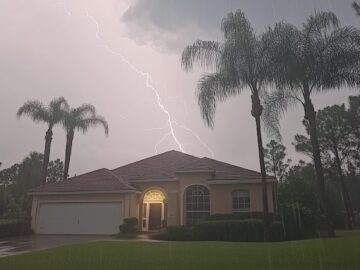
Lighting and Thunderstorm safety: A Florida Homeowner’s Guide to Preparing, Staying Safe, and Recovering After a Storm
 Homeowner Tips
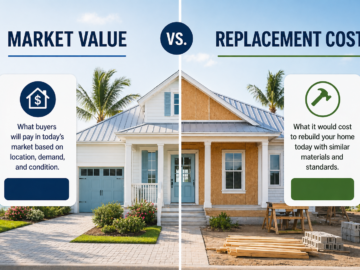
Many homeowners assume their home’s market value equals the coverage they need. Discover why replacement cost matters—and how the right coverage can make all the difference.
The content provided on this page is for informational purposes only and should not be construed as legal or professional advice of any kind. Any views, opinions, and statements expressed in this content are solely those of the individual author or contributor and do not necessarily reflect the official views, opinions, or positions of Security First Insurance Company. We make no representations, warranties, or guarantees, whether express or implied, regarding the accuracy, completeness, reliability, suitability, or availability of this content. Furthermore, we do not endorse, approve or guarantee any embedded third party links or other materials. Any reliance you place on such content, links or materials is strictly at your own risk. Please see Section 7 of our Terms of Use for more information. Any copying, reproduction, or other distribution of the contents of this page is strictly prohibited.
 Spread The Word