Yes. Lightning can strike several miles from the center of a thunderstorm. If you can hear thunder, you’re close enough to be struck and should move indoors immediately.
Lightning & Thunderstorm Safety for Florida Homeowners
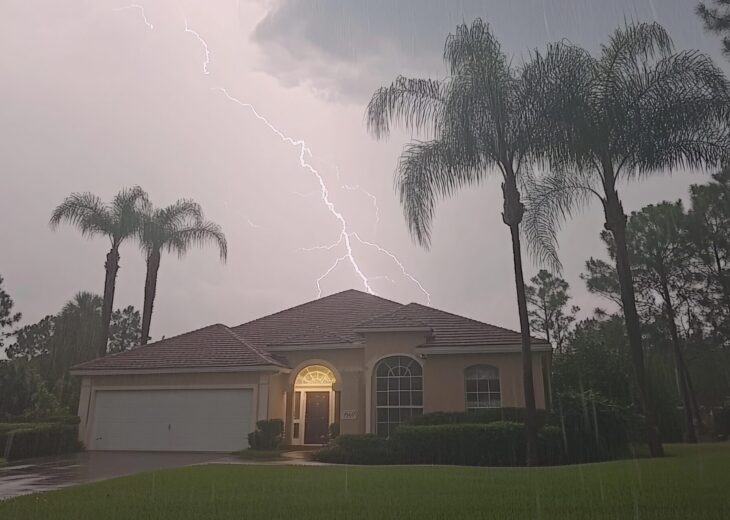

Lightning and Thunderstorm Safety: What You Need to Know
If you hear thunder, move indoors immediately.
It’s the simplest—and most important—lightning safety rule to remember. According to the National Weather Service, if you can hear thunder, you’re close enough to be struck by lightning.
Florida experiences more thunderstorms than any other state, making lightning one of the most common weather hazards homeowners face. While many storms pass quickly, a single lightning strike can cause serious injury, spark a fire, damage electronics, or lead to costly repairs.
The good news? Most lightning-related injuries and much of the property damage associated with thunderstorms can be reduced through preparation and quick action.
Whether you’ve lived in Florida for decades or recently made the Sunshine State home, understanding how thunderstorms develop, knowing what to do before and during a storm, and recognizing potential hazards afterward can help you protect your family and your property.
In this guide, you’ll learn:
When thunderstorms develop, remember these five safety rules:
These simple steps can significantly reduce your risk during one of Florida’s most common weather events.
Florida experiences more thunderstorms than any other state because its warm, humid climate and unique geography create ideal conditions for storms to develop almost every day during the summer.
As temperatures rise, warm, moisture-filled air quickly lifts into the atmosphere. At the same time, sea breezes from the Atlantic Ocean and the Gulf of Mexico move inland and collide over the Florida peninsula. That collision forces air upward, where it cools, condenses, and forms towering thunderstorm clouds.
According to the National Weather Service, this daily combination of heat, humidity, and sea breeze interactions fuels Florida’s frequent thunderstorms and abundant lightning—especially during the afternoon and early evening hours.
Although many of these storms last less than an hour, they can become dangerous in minutes. A typical Florida thunderstorm may produce:
Because lightning can travel well beyond the heaviest rain, even storms that appear small or distant can pose a serious risk. That’s why weather experts recommend taking shelter as soon as you hear thunder—not when the rain begins.
Lightning can strike several miles away from the center of a thunderstorm. If you can hear thunder, you’re already close enough to be struck.
This surprises many people because lightning isn’t limited to the area directly beneath dark clouds or heavy rain. A bolt can travel outward from a storm and strike locations where the sky is still partly sunny.
That’s why the National Weather Service’s guidance is straightforward: “When thunder roars, go indoors.” If thunder is audible, lightning is close enough to be dangerous.
Lightning reaches the ground in several ways, including:
Ground current is responsible for many lightning injuries because electricity can spread far beyond the point where lightning actually strikes. Someone doesn’t have to be standing beneath a tree or directly under the storm to be at risk.
The safest approach is simple: don’t try to judge how far away the storm is by looking at the sky. If you hear thunder—even faintly—move inside a substantial building or a hard-top vehicle with the windows closed and remain there until at least 30 minutes after the last clap of thunder.
Lightning is unpredictable, but your response doesn’t have to be. Acting early is one of the most effective ways to protect yourself, your family, and your home.
A lightning strike doesn’t have to hit your home directly to cause damage. In many cases, a nearby strike can send a powerful electrical surge through utility lines, wiring, plumbing, or other conductive materials, damaging everything from appliances to your home’s electrical system.
While dramatic images of homes struck by lightning often come to mind, indirect damage is actually more common. A nearby strike can travel through:
As that electrical energy moves through your home, it can damage sensitive electronics and major systems in an instant.
Common types of lightning-related damage include:
The National Fire Protection Association (NFPA) recommends using both whole-home surge protection and point-of-use surge protectors to help reduce the risk of lightning-related electrical damage. Proper grounding of your home’s electrical system also plays an important role in protecting your property.
While no precaution can eliminate the risk entirely, layered protection can help minimize damage and make recovery easier after a storm.
The safest time to act is before the storm reaches you. If you wait until lightning is overhead or heavy rain begins, you’ve waited too long.
The National Weather Service’s guidance is simple: if you hear thunder, seek shelter immediately. Thunder means lightning is close enough to pose a danger—even if the storm still appears to be in the distance.
Once you’re inside a safe location, your goal shifts from finding shelter to avoiding anything that could conduct electricity.
Where you are when the storm develops determines your next steps.
A substantial building is one of the safest places to be during a thunderstorm—but a few precautions can further reduce your risk.
Once you’re inside:
Being indoors dramatically reduces your risk of being struck by lightning, but it doesn’t eliminate every hazard. Plumbing, electrical wiring, and metal pathways can still conduct electricity during an active storm, which is why these precautions remain important.
If you’re caught outside during a thunderstorm, seek shelter immediately. There is no safe place outdoors when lightning is nearby.
Your first choice should always be a substantial building. If one isn’t available, a fully enclosed, hard-top vehicle with the windows closed is the next safest option.
Avoid taking shelter in places that leave you exposed, including:
One of the most common misconceptions is that standing under a tree provides protection from the rain. In reality, isolated trees are frequent lightning targets and can increase your risk of injury from direct strikes, side flashes, or ground current.
If you hear thunder while hiking, boating, working in the yard, or enjoying a day at the beach, don’t wait to see if the storm gets worse. Head to shelter immediately.
Remember: when thunder roars, go indoors.
Some everyday activities become surprisingly dangerous during a thunderstorm because lightning can travel through plumbing and electrical systems.
While you’re indoors, avoid:
The Centers for Disease Control and Prevention advises avoiding contact with plumbing and electrical systems during active lightning because they can conduct electricity from nearby strikes.
These recommendations aren’t based on rare, worst-case scenarios—they’re standard safety practices that can significantly reduce your risk during a thunderstorm.
Your first priority is protecting people—not property. If you believe lightning has struck your home, make sure everyone is safe before assessing the damage.
Watch for signs that may indicate a lightning strike, including:
If you notice smoke, flames, or any indication of fire, leave the home immediately and call 911.
Once everyone is safe:
Lightning-related electrical damage isn’t always visible. Hidden damage to wiring or electrical components can create safety hazards long after the storm has passed.
Taking a cautious, methodical approach helps protect your family today while reducing the risk of larger problems tomorrow.
The best time to prepare for a thunderstorm is before one is in the forecast. A few proactive steps can help reduce the risk of property damage, protect your belongings, and make recovery easier if severe weather strikes.
In Florida, thunderstorms can develop quickly—especially during the warmer months—so it’s worth taking time at the beginning of storm season to make sure your home is ready.
Here’s where to start:
Preparation won’t prevent thunderstorms, but it can reduce damage, simplify insurance claims, and help you recover more quickly if your home is affected.
Florida Homeowner Tip: Don’t let a sunny morning fool you. During Florida’s storm season, afternoon thunderstorms can develop rapidly. Before heading to the beach, tackling yard work, taking the boat out, or spending time outdoors, check the forecast and keep an eye on changing conditions throughout the day.
Before inspecting your property, make sure it’s safe to go outside. Even after the rain stops, hazards such as downed power lines, unstable trees, and hidden electrical damage may still be present.
Wait until the storm has completely passed before beginning your inspection. If you see downed power lines, stay well away from them and report them to your utility provider. Never assume a power line is safe simply because it isn’t sparking.
Once it’s safe, walk around your property and look for visible signs of damage, including:
Inside your home, watch for warning signs that could indicate hidden electrical damage:
Not all storm damage is immediately obvious. If something doesn’t seem right, avoid using the affected system until it has been evaluated by a licensed professional. Identifying problems early can help prevent additional damage and reduce safety risks.
Good documentation can make the claims process faster and easier. The more thoroughly you record the damage before repairs begin, the easier it is to demonstrate the extent of your loss.
As soon as it’s safe to do so:
If temporary repairs are necessary to prevent additional damage—such as covering a damaged roof with a tarp—document the damage first whenever it’s safe to do so.
Even damage that appears minor should be photographed and reported. What looks like a small issue today may reveal more extensive problems once repairs begin.
In most cases, standard homeowners insurance policies cover lightning-related damage. That may include damage caused by a direct lightning strike as well as sudden electrical surges resulting from nearby strikes. However, every policy is different, so it’s important to understand what your specific coverage includes before storm season arrives.
Here are a few key areas to review with your insurance company or agent:
Your Deductible
Know how much you’ll be responsible for paying before your insurance coverage begins. Understanding your deductible can help you make informed decisions if you experience damage from a lightning strike or power surge.
Personal Property Coverage
Lightning-related power surges can damage televisions, computers, appliances, gaming systems, smart home devices, and other electronics. Review your personal property limits to make sure they accurately reflect the value of what you own.
Additional Living Expenses
If your home becomes temporarily uninhabitable because of covered lightning damage, your homeowners policy may help pay for temporary housing, meals, and other eligible living expenses while repairs are being completed.
Flood Damage Is Different
Heavy rain often accompanies Florida thunderstorms, but flood damage is not covered under a standard homeowners insurance policy. Flood insurance is a separate policy that must typically be purchased separately.
This distinction is especially important in Florida, where intense rainfall can cause flooding in a short time—even during storms that move through quickly.
Understanding your coverage before severe weather arrives can help reduce surprises when you need your policy most.
Preparing your home, thoroughly documenting damage, and knowing what your policy covers are all important parts of recovering from a thunderstorm with confidence.
Not all storm damage is safe—or easy—to handle yourself. While you can often clean up minor debris and document visible damage, some situations require professional expertise to protect your home and your safety.
Contact a qualified professional if you notice:
Even if damage appears minor, hidden problems can become more expensive over time. Water intrusion can lead to mold growth, and damaged electrical systems may pose a fire risk long after the storm has passed.
When in doubt, it’s better to have your home evaluated by a licensed professional than to assume everything is fine.
Thunderstorms are a part of life in Florida, but they don’t have to catch you off guard.
Knowing when to seek shelter, understanding how lightning behaves, preparing your home before storm season, and recognizing potential hazards afterward can help protect both your family and your property.
Remember these five key takeaways:
You can’t prevent Florida’s afternoon thunderstorms, but you can be prepared for them. A little planning today can make all the difference when severe weather arrives tomorrow.
Yes. Lightning can strike several miles from the center of a thunderstorm. If you can hear thunder, you’re close enough to be struck and should move indoors immediately.
Wait at least 30 minutes. Lightning can continue to strike after the heaviest rain has ended. Waiting 30 minutes after the last clap of thunder helps ensure the storm has moved a safe distance away.
Yes, as long as the device isn’t plugged in. Wireless devices, including cell phones, tablets, and laptops operating on battery power, are generally safe to use indoors during a thunderstorm. Avoid using devices that are connected to chargers or electrical outlets while lightning is active nearby.
Yes. Lightning can strike away from the heaviest part of the storm, which is why hearing thunder is enough reason to go inside.
Absolutely. A nearby lightning strike can send a powerful electrical surge through utility lines, damaging televisions, computers, appliances, internet equipment, and other electronics—even if your home is never struck directly.
Yes. Lightning frequently strikes the same tall structures multiple times, including office buildings, communication towers, trees, and even homes. Whether something has been struck before has no effect on whether it can be struck again.
If you have time before the storm arrives, unplugging sensitive electronics can provide an extra layer of protection against power surges. Once lightning is nearby, however, stay away from electrical outlets and cords. If you’re home when storms are expected, whole-home surge protection combined with quality surge protectors can help reduce the risk of damage.
In many cases, yes. Standard homeowners insurance policies typically cover damage caused by lightning, including structural damage and sudden electrical surges. However, coverage, deductibles, and policy limits vary, so it’s a good idea to review your policy before storm season begins.
 Homeowners Insurance Florida
Discover why Florida homeowners choose Security First for hurricane season. Get peace of mind, stability, and local expertise from a Florida-focused insurer.
 Home Safety
 Homeowner Tips
Many homeowners assume their home’s market value equals the coverage they need. Discover why replacement cost matters—and how the right coverage can make all the difference.
The content provided on this page is for informational purposes only and should not be construed as legal or professional advice of any kind. Any views, opinions, and statements expressed in this content are solely those of the individual author or contributor and do not necessarily reflect the official views, opinions, or positions of Security First Insurance Company. We make no representations, warranties, or guarantees, whether express or implied, regarding the accuracy, completeness, reliability, suitability, or availability of this content. Furthermore, we do not endorse, approve or guarantee any embedded third party links or other materials. Any reliance you place on such content, links or materials is strictly at your own risk. Please see Section 7 of our Terms of Use for more information. Any copying, reproduction, or other distribution of the contents of this page is strictly prohibited.
 Spread The Word