No. Flood Zone X indicates a lower statistical risk—not zero risk. Heavy rainfall, poor drainage, and localized flooding can affect homes in any flood zone.
Florida Flood Zones and Evacuation Zones Explained
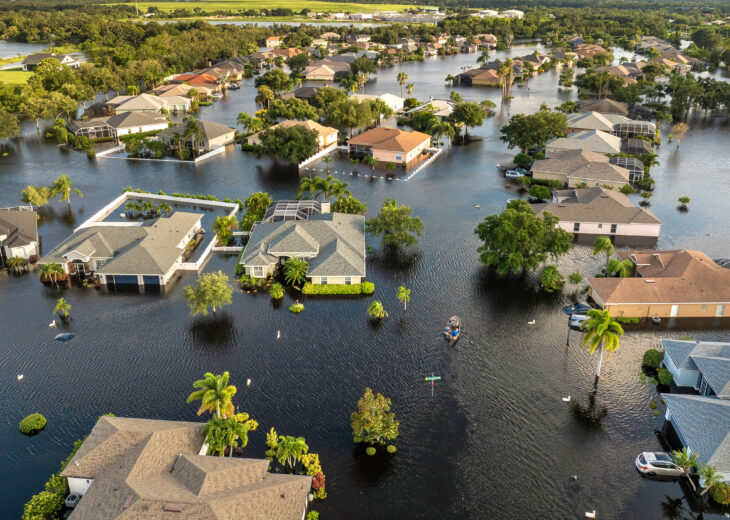

If you live in Florida, you’ve probably heard the terms flood zone and evacuation zone, especially during hurricane season. While they may sound similar, they serve very different purposes—and understanding the difference can affect both your safety and your finances.
A flood zone helps determine your property’s flood risk and whether flood insurance may be required. An evacuation zone tells you whether you should leave before a hurricane because of the risk of storm surge.
Knowing both is one of the simplest ways to be better prepared before the next storm.
Flood zones and evacuation zones are not the same.
Every Florida homeowner should know both, because they answer two different questions: Could my property flood? and Should I evacuate before a hurricane?
Your flood zone indicates your property’s FEMA-designated flood risk and helps determine flood insurance requirements and building standards.
Flood zones are geographic areas designated by the Federal Emergency Management Agency (FEMA) based on flood risk. They’re used primarily for insurance rating and construction requirements—not to predict whether your home will or won’t flood.
Common flood zones include:
In fact, FEMA reports that more than 20% of flood insurance claims come from properties outside high-risk flood zones.
You can find your property’s flood zone using FEMA’s Flood Map Service Center.
Key takeaway: A low-risk flood zone does not mean your home cannot flood. It simply means the statistical risk is lower.
An evacuation zone identifies your risk from hurricane storm surge—not inland flooding from heavy rain.
Unlike flood zones, evacuation zones are established by your county’s emergency management office. Local officials use them to determine which areas should evacuate before a hurricane makes landfall.
For example, you may:
To find your evacuation zone, visit FloridaDisaster.org/Know and enter your address.
Flood zones measure insurance and flood risk. Evacuation zones measure life safety during hurricanes.
Although they’re often confused, they serve completely different purposes.
| Flood Zone | Evacuation Zone |
| Created by FEMA | Created by county emergency management |
| Measures flood risk | Measures storm surge risk |
| Used for flood insurance and building requirements | Used to issue evacuation orders |
| Applies year-round | Primarily used before hurricanes |
Understanding both gives you a more complete picture of your property’s risk.
Yes. Homes outside high-risk flood zones flood every year.
One of the biggest misconceptions Florida homeowners have is that being outside a designated flood zone means they’re safe from flooding.
The reality is more complicated. You can experience flooding from:
“One of the biggest misconceptions we see after storms is that homeowners believe they weren’t at risk because they weren’t in a high-risk flood zone,” says Greg Moraski, Chief Claims Officer at Security First Insurance. “Flood risk isn’t limited to hurricanes. Heavy rainfall, drainage issues, and stalled weather systems can all contribute to flooding.”
That’s why understanding your flood risk goes beyond looking at a map.
Yes. FEMA flood maps remain the official resource for identifying a property’s mapped flood risk and determining flood insurance requirements. Because flood risks can change over time, FEMA periodically updates its maps.
Most FEMA flood maps are based on historical data, topography, rainfall patterns, and engineering studies. Because flood risks can change over time, FEMA periodically updates its maps, although the process can take years.
According to NOAA and other experts, flood risk can change over time as development, drainage systems, weather patterns, and other local conditions evolve.
For that reason, your flood zone should be viewed as an important planning tool—not a guarantee of whether flooding will occur.
Many Florida homeowners decide it’s worth having even when it isn’t required.
Flood damage is not covered by a standard homeowners’ insurance policy. If your mortgage lender doesn’t require flood insurance, purchasing a separate flood policy is still worth considering.
FEMA reports that more than 20% of flood insurance claims come from properties outside high-risk flood zones. Flood insurance is available through the National Flood Insurance Program (NFIP) and many private insurers.
Flood insurance is designed to help protect against covered flood losses. Standard homeowners insurance policies generally do not cover flood damage.
Depending on your policy, flood insurance may help pay to repair or replace:
Coverage varies by policy, so review your policy or speak with your insurance professional to understand what is and isn’t covered.
The right decision depends on your property’s location, your financial situation, and your comfort with risk.
While flood insurance may not be required, recovering from flood damage without it can be expensive.
Talk with your insurance agent about your property’s flood risk and available coverage options before the next storm threatens Florida.
Preparation starts long before a hurricane is in the forecast.
Here’s what you can do today:
While Security First Insurance doesn’t sell flood insurance directly, we encourage you to contact your insurance agent or visit the National Flood Insurance Program (NFIP) to find coverage options that fit your needs—even if flood insurance isn’t required.
Knowing your flood zone can help you understand your property’s financial risk. Knowing your evacuation zone can help protect your family during a hurricane.
They aren’t interchangeable—but understanding both will help you make informed decisions before the next storm arrives.
Updated: July 17, 2026
No. Flood Zone X indicates a lower statistical risk—not zero risk. Heavy rainfall, poor drainage, and localized flooding can affect homes in any flood zone.
Yes. Evacuation zones are based primarily on storm surge risk, while flood zones are based on long-term flood risk. It’s common for a property to be in one but not the other.
No. Standard homeowners insurance policies generally do not cover flood damage. Flood insurance must be purchased separately through the National Flood Insurance Program (NFIP) or a private insurer.
You can search your property’s FEMA flood zone using the FEMA Flood Map Service Center.
Visit FloridaDisaster.org’s Know Your Zone tool and enter your address to determine your evacuation zone.
 Homeowners Insurance Florida
Discover why Florida homeowners choose Security First for hurricane season. Get peace of mind, stability, and local expertise from a Florida-focused insurer.
 Home Safety
 Home Safety
Lighting and Thunderstorm safety: A Florida Homeowner’s Guide to Preparing, Staying Safe, and Recovering After a Storm
The content provided on this page is for informational purposes only and should not be construed as legal or professional advice of any kind. Any views, opinions, and statements expressed in this content are solely those of the individual author or contributor and do not necessarily reflect the official views, opinions, or positions of Security First Insurance Company. We make no representations, warranties, or guarantees, whether express or implied, regarding the accuracy, completeness, reliability, suitability, or availability of this content. Furthermore, we do not endorse, approve or guarantee any embedded third party links or other materials. Any reliance you place on such content, links or materials is strictly at your own risk. Please see Section 7 of our Terms of Use for more information. Any copying, reproduction, or other distribution of the contents of this page is strictly prohibited.
 Spread The Word