Wildfires in Florida
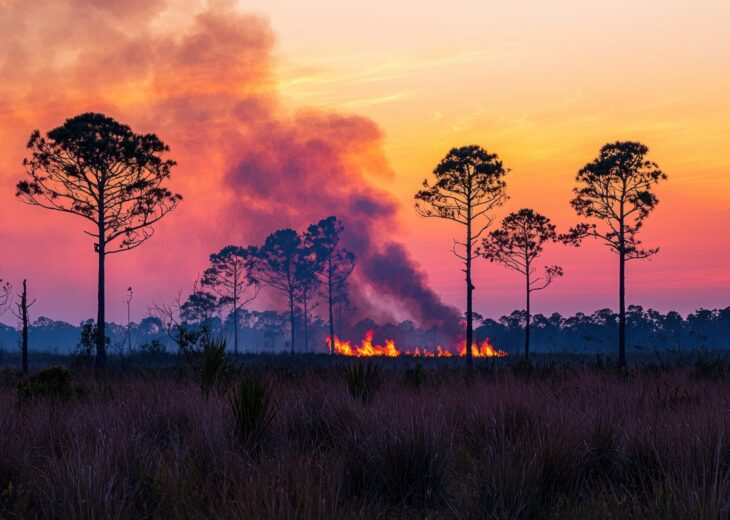

While Florida is best known for hurricanes, wildfire risk is also a seasonal concern during the drier months, with peak conditions often occurring April through June, when lower humidity and limited rainfall dry out vegetation.
Wildfires are a regular part of Florida’s landscape, but recent data shows activity has been increasing.
According to a Tampa Bay Times report (April 13, 2026), based on Florida Forest Service data, wildfire activity has varied since 2021, with stronger activity in recent years than in some prior periods.
In the first three months of 2026 alone, more than 1,400 wildfires were reported statewide. By comparison, Florida recorded just over 3,150 wildfires in all of 2025.
While many of these fires are small and quickly contained, the frequency reinforces an important point: wildfire awareness in Florida is part of seasonal preparedness—not a rare concern. For additional context, the National Interagency Fire Center tracks wildfire trends across the country.
Florida residents have access to real-time tools that make it easy to understand current fire conditions and local risk levels.
Current Wildfire Activity
Fire Conditions and Dryness Levels
Wildfire prevention doesn’t require major changes. Most steps are simple, routine maintenance that can make a meaningful difference—especially during peak dry months.
Guidance from the National Fire Protection Association and Florida’s Be Wildfire Ready program highlights a few key areas homeowners can focus on:
Around Your Home
Day-to-Day Habits
Stay Informed During Dry Seasons
Local fire departments and emergency management offices provide the most up-to-date alerts during periods of elevated fire risk.
You can find your local fire department through the U.S. Fire Administration registry, and access Florida-specific emergency management resources through the Florida Division of Emergency Management county directory.
For timely updates, many agencies also post alerts on official social media channels—especially Facebook and X (formerly Twitter), where urgent information is often shared first.
Preparedness matters just as much as prevention.
The Florida Department of Agriculture and Consumer Services provides a Wildfire Evacuation Plan to help homeowners understand what to do before, during, and after an evacuation.
Tip: Take a home inventory before you leave. Use photos or videos to document your possessions, room by room. This can make the claims process much smoother if you need it later. For a simple way to do this, see our home inventory guide for hurricane preparedness.
Most standard homeowners insurance policies include coverage for fire damage, including wildfires.
What matters most is making sure your coverage reflects your home as it stands today—especially as rebuilding costs and materials continue to change.
If it’s been a while since you’ve reviewed your policy, it may be a good time to review it with your agent. If you’re a Security First Insurance customer, you can contact our Customer Support team at 877-333-9992 for help reviewing your policy or with questions about your coverage.
Wildfires are part of Florida’s seasonal risk landscape.
Staying aware of local conditions, maintaining your home, and taking a few simple preventative steps can go a long way toward reducing risk and improving readiness when dry conditions arrive.
 Homeowners Insurance Florida
Discover why Florida homeowners choose Security First for hurricane season. Get peace of mind, stability, and local expertise from a Florida-focused insurer.
 Storm Prep
 Home Improvement
Discover how Security First Insurance’s First Choice Repair Network® helps Florida homeowners with trusted contractors for repairs, renovations, and faster claims.
The content provided on this page is for informational purposes only and should not be construed as legal or professional advice of any kind. Any views, opinions, and statements expressed in this content are solely those of the individual author or contributor and do not necessarily reflect the official views, opinions, or positions of Security First Insurance Company. We make no representations, warranties, or guarantees, whether express or implied, regarding the accuracy, completeness, reliability, suitability, or availability of this content. Furthermore, we do not endorse, approve or guarantee any embedded third party links or other materials. Any reliance you place on such content, links or materials is strictly at your own risk. Please see Section 7 of our Terms of Use for more information. Any copying, reproduction, or other distribution of the contents of this page is strictly prohibited.
 Spread The Word