Start with the basics: stock essential supplies, secure your home, review your evacuation plan, and stay informed through trusted sources like the National Hurricane Center.
Hurricane Preparedness for Florida Homeowners
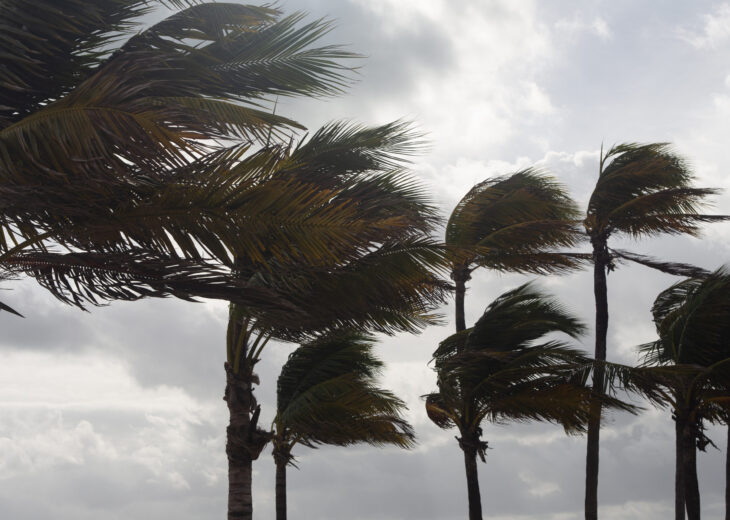

Florida homeowners know hurricane season is part of life. Some years bring multiple storms, while others pass with little impact. That’s exactly why it’s easy to put off preparing.
The best time to get ready is before a storm is in the forecast. A few simple steps now can help protect your home, keep your family safer, and reduce stress if severe weather heads your way.
Whether you’re new to Florida or have weathered many hurricane seasons, this guide covers the essentials every homeowner should know.
The most important part of hurricane preparedness is ensuring your household can remain safe and self-sufficient for several days if power, water, or essential services are disrupted.
Start with these essentials:
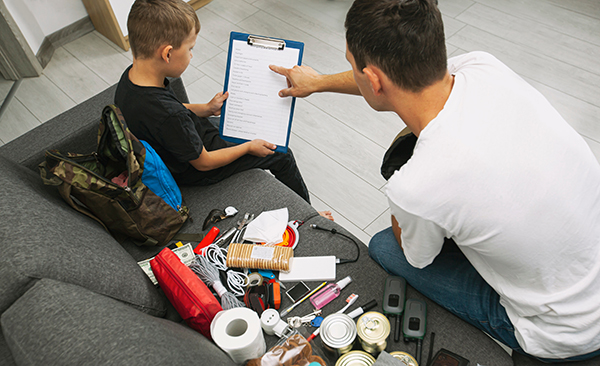
If you’re looking for a simple place to begin, our Hurricane Preparedness Guide includes a practical checklist to help you organize your plans before hurricane season.
Preparing early gives you more options. Waiting until a storm is only a few days away often means crowded stores, longer lines, and fewer supplies.
The best way to protect your home is to address small maintenance issues before hurricane season begins.
Florida’s hurricane season runs from June 1 through November 30, making early preparation one of the smartest investments you can make.
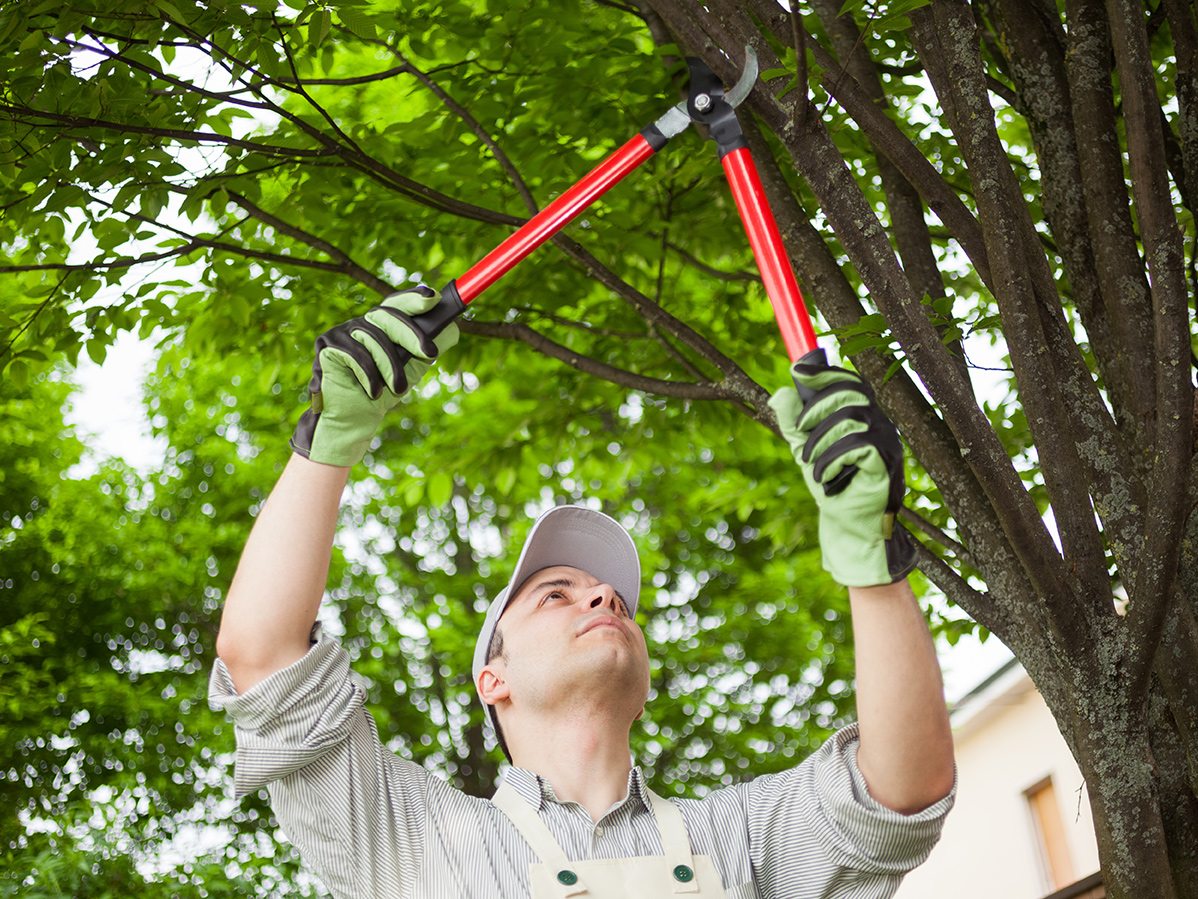
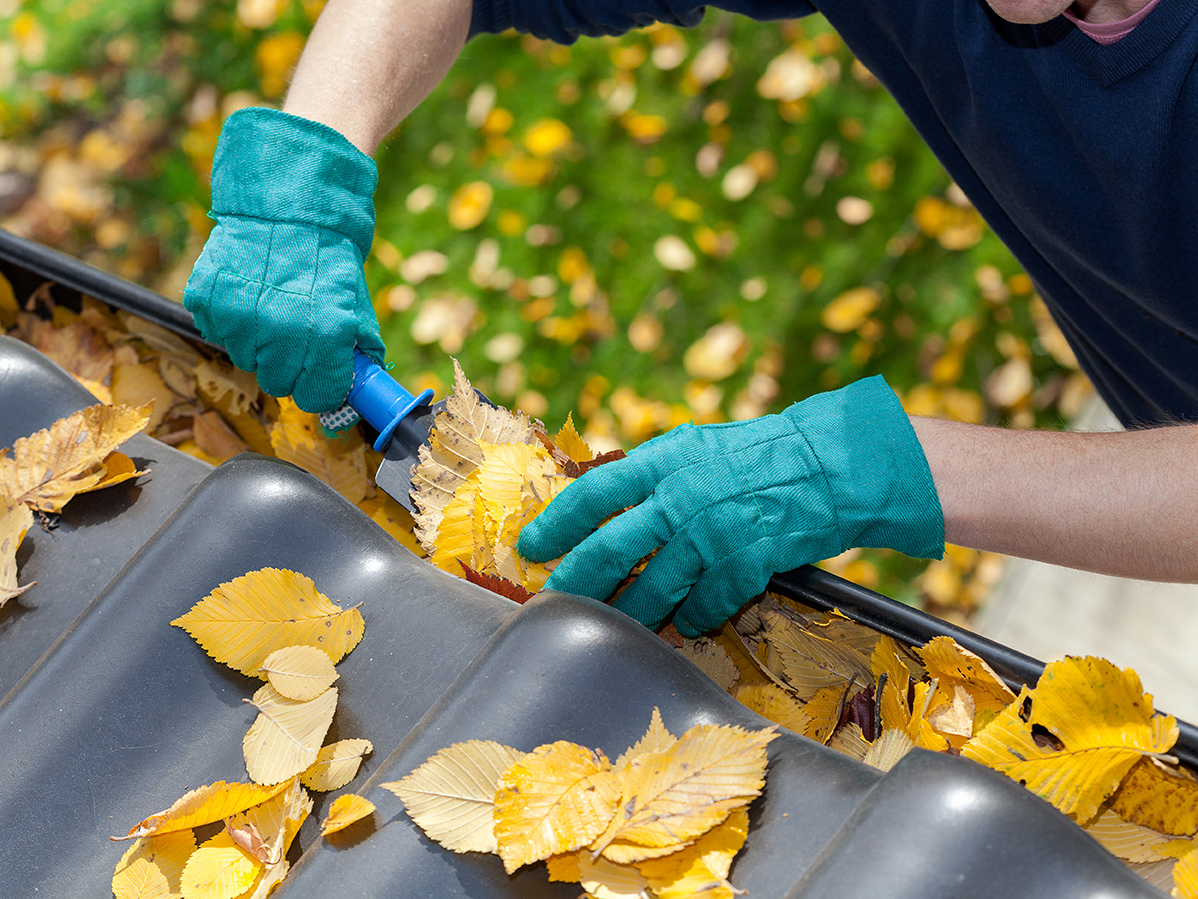
Walk around your property and look for anything that could become a problem during high winds or heavy rain.
While you’re inspecting your home, take a few photos of its current condition. If you ever need to file a claim, pre-storm photos can help document that damage occurred during the storm rather than before it.
Small maintenance issues often become much larger after hurricane-force winds.
Need help creating a preparedness plan? The Federal Alliance for Safe Homes (FLASH) offers planning resources designed specifically for homeowners.
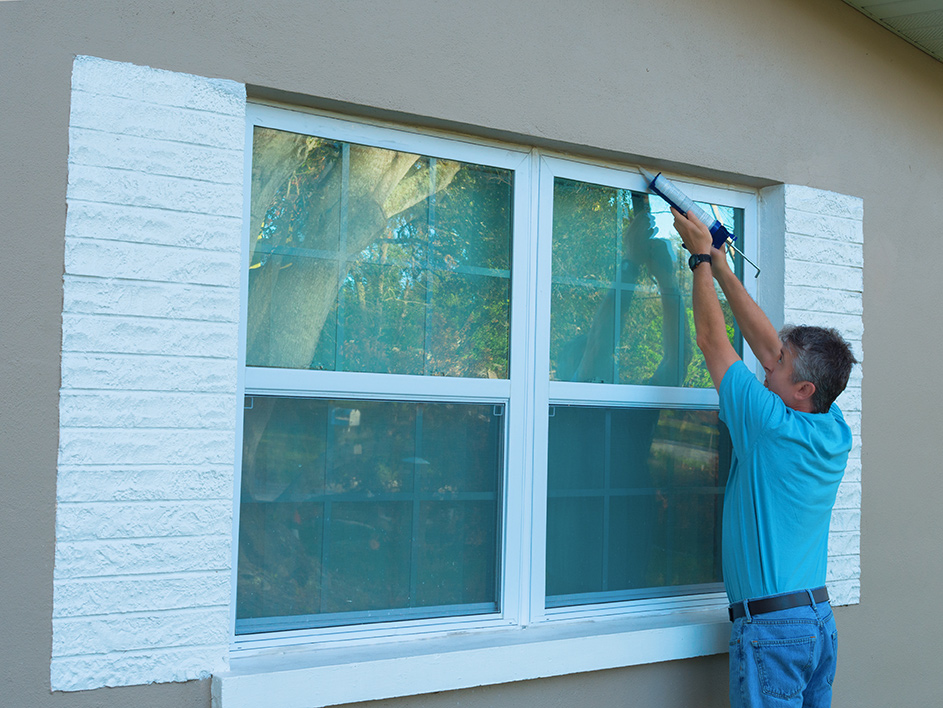
Always follow local evacuation guidance first, but if you plan to shelter in place, prepare your home so you can stay safe if utilities are interrupted.
Before the storm arrives:
For official forecasts, watches, warnings, and storm tracking, rely on the National Hurricane Center and your local emergency management officials.
Include your pets in your hurricane plan well before a storm approaches.
Prepare a pet emergency kit with:

Our Pet Safety Checklist additional steps that can help you prepare.
If you may need to evacuate, remember that not every emergency shelter accepts pets. Check your local shelter options before hurricane season begins.
The American Red Cross also offers helpful guidance on preparing pets during emergencies.
Before a storm is in the forecast, take a few minutes to review your homeowners insurance policy and keep important information somewhere you can access it if you need it.
Consider doing the following before hurricane season:
Taking these steps ahead of time can make the claims process smoother if your home is damaged after a storm.
If local officials recommend evacuating, leaving early is usually the safest and easiest option.
Before hurricane season begins, know:
Before you leave, gather important documents and make sure your home inventory is up to date. Having photos or videos of your belongings can make the insurance claims process much easier if you need it later. For a simple way to do this, see our home inventory guide for hurricane preparedness.

Another practical tip: Keep your vehicle’s gas tank at least half full throughout hurricane season. Fuel often becomes difficult to find once a storm is approaching.
You don’t have to do everything at once to be prepared for hurricane season.
Even a few simple steps taken before a storm develops can make a meaningful difference.
Preparing early helps protect your home, reduces stress, and gives you more time to focus on what matters most if severe weather threatens your community.
For Florida homeowners, hurricane preparedness isn’t about expecting the worst. It’s about being ready for whatever the season brings.
Updated: July 16, 2026
Start with the basics: stock essential supplies, secure your home, review your evacuation plan, and stay informed through trusted sources like the National Hurricane Center.
A good rule of thumb is at least one gallon of water per person, per day, for several days.
Yes. A simple photo or video walkthrough of your home can make the insurance claims process much easier if you experience damage. This blog walks you through documenting your possessions.
Prepare a few days’ worth of food, water, and medications, and make sure you know which shelters or accommodations accept pets. Our Pet Saftey Guide includes a handy checklist.
Your county’s emergency management office will have the most relevant local guidance, including evacuation orders and shelter information.
You can find your local office through the Florida Division of Emergency Management county directory. Many agencies also post real-time updates on social media—often faster than traditional channels during an active storm.
 Homeowners Insurance Florida
Discover why Florida homeowners choose Security First for hurricane season. Get peace of mind, stability, and local expertise from a Florida-focused insurer.
 Storm Prep
Learn the difference between a hurricane watch, warning, tropical storm alerts, and when your hurricane deductible applies.
Storm Prep
Learn the difference between a hurricane watch, warning, and tropical storm alerts — and how they can affect your insurance.
 Home Improvement
Discover how Florida wind mitigation upgrades can protect your home and save on insurance.
 Homeowner Tips
A home inventory can make all the difference after a hurricane. Learn how to start documenting your belongings today.
 Storm Prep
It’s important to know your flood zone and your evacuation zone when living in Florida.
The content provided on this page is for informational purposes only and should not be construed as legal or professional advice of any kind. Any views, opinions, and statements expressed in this content are solely those of the individual author or contributor and do not necessarily reflect the official views, opinions, or positions of Security First Insurance Company. We make no representations, warranties, or guarantees, whether express or implied, regarding the accuracy, completeness, reliability, suitability, or availability of this content. Furthermore, we do not endorse, approve or guarantee any embedded third party links or other materials. Any reliance you place on such content, links or materials is strictly at your own risk. Please see Section 7 of our Terms of Use for more information. Any copying, reproduction, or other distribution of the contents of this page is strictly prohibited.
 Spread The Word