No. Tenants need their own renters insurance policy to protect their personal property.
The Insurance You Need to Rent Your Home or Condo
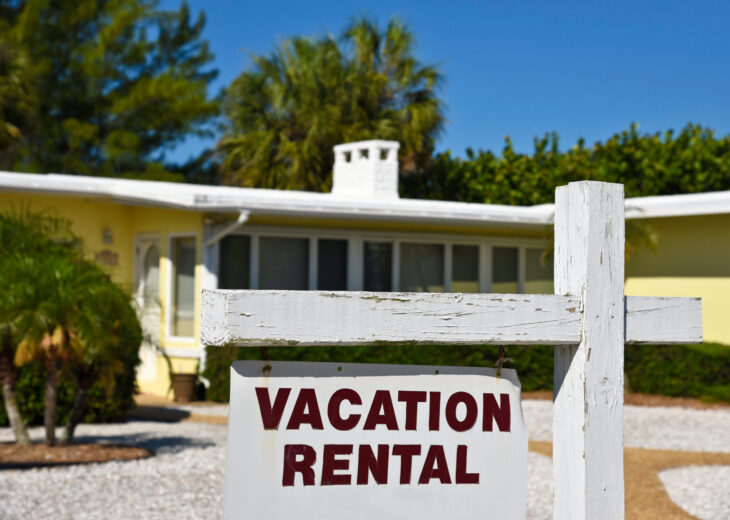

Renting out a property in Florida can be a smart financial move. But here’s the part many owners overlook: once you rent it out, your homeowner’s policy likely no longer fits.
Insurance is designed around how property is used. Live in it yourself? That’s one type of policy. Rent it to someone else? That’s another. And if you own a condo that’s tenant-occupied, that’s different, too.
Let’s break it down clearly.
If you own a house and rent it to tenants, whether long-term, short-term, or seasonal, you need a Dwelling Landlord policy. At Security First, that’s our Dwelling Landlord (DF3-DL) product. It’s specifically designed for properties you own but don’t live in.
A standard homeowners policy, like our Signature+ HO3, assumes the owner occupies the home. When that changes, the risk changes:
Keeping a homeowners policy on a tenant-occupied property can create coverage gaps — or worse, denied claims. That’s not a risk worth taking.
A Dwelling Landlord policy protects rental properties and gives landlords peace of mind. It covers the home, structures on the property, liability risks, and lost rental income if a covered event makes the property uninhabitable, tailored to tenant-occupied homes in Florida.
We’ve recently enhanced our Dwelling Landlord policy to include:
Learn more about our Dwelling Landlord coverage and see how it can protect your rental property, or view our press release with full details.
Condos are a little different from single-family homes. Because condo associations usually insure the building’s exterior and common areas, your coverage typically starts from the “walls in.”
If you’re renting a condo, it’s important to make sure your coverage matches how you use your property. Visit our HO6 page to learn more or contact your agent to review your coverage.
Florida properties come with their own set of realities. We deal with strong storms, heavy rain, and weather patterns that can take a toll on homes over time.
Renting a property comes with a few extra considerations:
A Dwelling Landlord policy is tailored to the property, liability, and rental income exposures that arise when a home is rented to tenants.
Insurance is not one-size-fits-all.
If you live in the property, that’s one policy type.
If you rent it out, that’s another.
If it’s a condo, that’s yet another.
The key takeaway: Your coverage should reflect how the property is actually used — and we have a wide variety of products tailored to how you enjoy your property.
If you’re a landlord renting a home or condo, or thinking about it, now is a great time to contact us at 877-333-9992 or get a Quick Quote to ensure your policy matches your property’s use.
No. Tenants need their own renters insurance policy to protect their personal property.
Yes, if the loss is caused by a covered peril and the property becomes uninhabitable.
Occupancy type determines policy form. A homeowners policy is not designed for tenant-occupied risk.
 Homeowner Tips
Florida winter freeze prep made simple: protect pets, plants, and pipes with smart, homeowner-friendly tips for cold snaps.
 Homeowner Tips
Florida doesn’t get snow—but winter is still your best chance to prevent leaks, mold, and insurance headaches. Here’s a quick home check every homeowner should do now.
 Florida Lifestyle
Explore 7 Florida homeowners insurance products tailored to your needs—from condos to rentals to high-value homes. Get a quote today.
 Spread The Word