Cooking is the leading cause of home fires and home fire injuries in the United States. Unattended cooking is one of the most common contributing factors.
Fire Safety Tips Every Homeowner Should Know
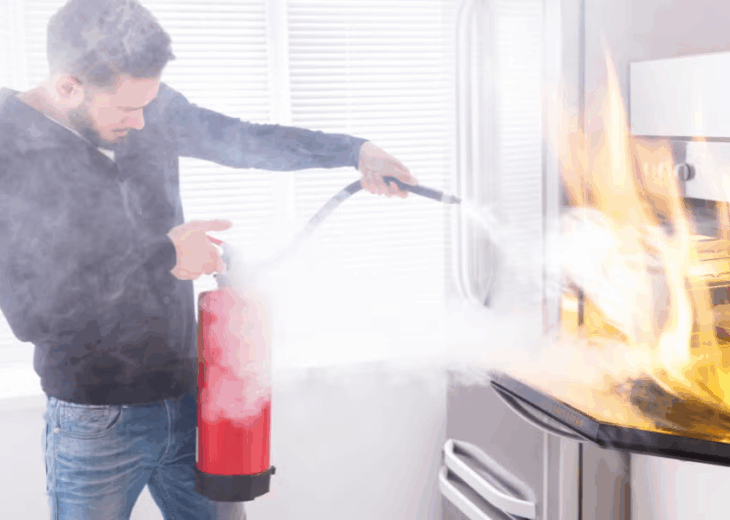

A house fire can change your life in minutes. While most homeowners think of flames as the biggest threat, many fire claims involve smoke, soot, water damage, and temporary displacement that affect far more of the home than the fire itself.
The good news is that many home fires are preventable. Understanding where fires start, how to detect them early, and what to do when every second counts can help protect your family, your property, and your peace of mind.
The most effective fire safety strategy combines three things:
According to the U.S. Fire Administration’s home fire escape planning guidance, residents may have less than two minutes to escape after a smoke alarm sounds. That’s why preparation matters long before an emergency occurs.
Most home fires begin in places homeowners use every day.
According to the U.S. Fire Administration, cooking remains the leading cause of home fires and home fire injuries in the United States. Heating equipment, candles, electrical issues, and clothes dryers are also common sources of residential fires.
The simplest way to prevent a cooking fire is to stay attentive while cooking. The U.S. Fire Administration’s cooking fire safety resources identify unattended cooking as one of the most common factors contributing to home cooking fires.
What many homeowners don’t realize is that even a small stovetop fire can create damage well beyond the kitchen. Smoke and soot can travel throughout the home, affecting walls, ceilings, furniture, clothing, and electronics in multiple rooms.
From an insurance perspective, smoke damage can sometimes be more extensive than homeowners expect. A fire that starts on the stovetop may require cleaning, deodorization, painting, or replacement of affected materials in multiple areas of the home.
Keep anything that can burn away from cooking surfaces, turn pot handles toward the back of the stove, and never leave frying or boiling food unattended. If a grease fire starts in a pan, cover it with a lid, turn off the burner, and allow it to cool completely. Never pour water on a grease fire.
Portable heaters, fireplaces, and wood-burning appliances create significant heat in concentrated areas, which is why they continue to be a common cause of residential fires.
The U.S. Fire Administration’s heating fire safety recommendations advise keeping anything that can burn at least three feet away from fireplaces, wood stoves, and portable heaters. Portable heaters should be plugged directly into a wall outlet and turned off whenever you leave the room or go to bed.
For fireplaces, use a glass or metal screen to contain sparks and have chimneys inspected regularly. Ashes should be placed in a metal container with a lid and stored outside, away from the home.
A few minutes of seasonal maintenance can help reduce fire risk and identify issues before they become costly repairs.
Some fire hazards develop quietly over time.
According to the U.S. Fire Administration’s appliance and electrical fire safety guidance, failure to clean was the leading factor contributing to the ignition of clothes dryer fires reported through the National Fire Incident Reporting System.
Lint buildup remains a leading cause of dryer fires, making routine maintenance one of the simplest and most effective fire prevention measures homeowners can take.
Pay attention to damaged cords, loose-fitting plugs, overloaded outlets, and power strips carrying more devices than they are designed to handle. Replace damaged electrical equipment and have recurring electrical concerns evaluated by a qualified electrician rather than ignored.
Smoke alarms provide the early warning that gives families valuable time to escape.
The U.S. Fire Administration recommends installing smoke alarms inside every bedroom, outside each sleeping area, and on every level of the home, including the basement. Smoke alarms should be tested monthly and replaced when they reach 10 years of age.
Many homeowners view smoke alarms as a basic maintenance item, but they are one of the most important safety devices in the home. During a fire, the goal is not to save property. It’s to give people enough time to get out safely before smoke and heat spread throughout the structure.
For additional protection, consider interconnected smoke alarms. When one alarm sounds, they all sound.
Just as importantly, make sure everyone in the household knows what the alarm sounds like and what to do when they hear it.
A fire escape plan answers one simple question: What will everyone do if a fire starts tonight?
Most families spend more time planning vacations than discussing how they’ll exit their homes during an emergency. Yet modern home fires can spread rapidly, and the decisions made in those first moments matter most.
A home fire escape plan should identify two ways out of every room, establish a designated meeting place outside, and account for anyone who may need assistance during an evacuation. Families should practice the plan regularly so each person understands what to do without hesitation.
If you live in a condominium or apartment building, familiarize yourself with stairwells, exits, and evacuation procedures before an emergency occurs. Elevators should not be used during a fire unless directed by emergency personnel.
Walking through your home’s exits and practicing the plan can help every household member understand what to do during an emergency.
If a fire starts, the priority is simple: get out, stay out, and call 911.
Do not stop to gather valuables, important documents, electronics, or personal belongings. Once outside, remain outside. Returning to a burning building is extremely dangerous, even when the fire appears small.
If smoke is present, stay low while moving toward an exit. If you’re trapped, close the door, seal gaps that let in smoke, call 911, and signal for help from a window if possible.
A practiced escape plan can make these decisions easier because everyone already knows where to go and what to do.
Once emergency responders have determined the property is safe to access, document visible damage and contact your insurer. Security First policyholders can file a claim online or by phone to begin the claims process.
In many cases, homeowners insurance helps cover damage caused by fire, but the extent of coverage depends on the policy, limits, deductibles, endorsements, exclusions, and circumstances of the loss. Because coverage varies, it’s important to understand your specific Florida homeowners insurance coverage options before a loss occurs.
The Florida Department of Financial Services explains that homeowners insurance may help pay to repair or rebuild a home damaged by a covered fire, replace damaged personal property, and provide additional living expense coverage if a covered loss makes the home temporarily uninhabitable.
One important misconception is that fire losses only involve burned materials. Many claims also include smoke damage, soot contamination, debris removal, water damage from firefighting efforts, and temporary housing expenses while repairs are completed.
That’s why it’s important to review your coverage periodically and maintain an up-to-date home inventory. Having documentation of your belongings before a loss can make the claims process smoother if a fire occurs. If you haven’t created one yet, our guide to building a home inventory for hurricane preparedness provides a simple process homeowners can use to document their belongings before any disaster, not just a storm.
It can also help to understand how the Security First claims process works before you need to file a claim.
The best time to think about fire safety is before you ever need it.
A few simple habits, such as staying attentive while cooking, maintaining smoke alarms, keeping heat sources clear of combustible materials, and practicing a fire escape plan, can dramatically reduce risk and improve your family’s ability to respond during an emergency.
Fire safety isn’t about preparing for the worst-case scenario. It’s about making sure your household is ready if the unexpected happens. And because Florida homeowners face a variety of risks year-round, fire preparedness should be part of a broader disaster plan. Our guide to hurricane preparedness for Florida homeowners can help you prepare your home and family before the next storm season.
Updated 10/2/26
Cooking is the leading cause of home fires and home fire injuries in the United States. Unattended cooking is one of the most common contributing factors.
The U.S. Fire Administration recommends replacing smoke alarms 10 years after the date of manufacture. Smoke alarms should also be tested every month.
Smoke alarms should be installed inside every bedroom, outside each sleeping area, and on every level of the home, including the basement.
Turn off the burner and carefully cover the pan with a lid or baking sheet. Never pour water on a grease fire because it can cause the flames to spread rapidly.
The U.S. Fire Administration recommends practicing your home fire escape plan at least twice a year so everyone knows how to exit safely during an emergency.
In many cases, homeowners insurance helps cover damage caused by fire, but coverage depends on your policy, coverage limits, deductibles, endorsements, exclusions, and the circumstances of the loss. Coverage varies by policy, which is why it’s important to understand your specific Florida homeowners insurance coverage options before a loss occurs.
Smoke and soot can cause damage beyond the area directly affected by flames. Whether that damage is covered depends on the policy, applicable limits and exclusions, and circumstances of the loss. Review your policy and contact your insurance agent or insurer with questions about your specific coverage.
After ensuring everyone is safe and emergency responders have cleared the property, contact your insurer as soon as possible. Document visible damage when it is safe to do so, avoid discarding damaged items until instructed, and make only temporary repairs needed to protect the home from further damage. Security First policyholders can file a claim online or by phone.
Keep portable heaters at least three feet away from anything that can burn, plug them directly into a wall outlet, and turn them off when you leave the room or go to bed.
Yes. Lint buildup is a well-documented fire risk. Regularly cleaning the lint filter and dryer vent system can help reduce the chance of a dryer fire.
According to the U.S. Fire Administration, residents may have less than two minutes to escape after a smoke alarm sounds, which is why working smoke alarms and a practiced escape plan are so important.
 Homeowners Insurance Florida
Discover why Florida homeowners choose Security First for hurricane season. Get peace of mind, stability, and local expertise from a Florida-focused insurer.
 Home Safety
 Home Safety
Lighting and Thunderstorm safety: A Florida Homeowner’s Guide to Preparing, Staying Safe, and Recovering After a Storm
The content provided on this page is for informational purposes only and should not be construed as legal or professional advice of any kind. Any views, opinions, and statements expressed in this content are solely those of the individual author or contributor and do not necessarily reflect the official views, opinions, or positions of Security First Insurance Company. We make no representations, warranties, or guarantees, whether express or implied, regarding the accuracy, completeness, reliability, suitability, or availability of this content. Furthermore, we do not endorse, approve or guarantee any embedded third party links or other materials. Any reliance you place on such content, links or materials is strictly at your own risk. Please see Section 7 of our Terms of Use for more information. Any copying, reproduction, or other distribution of the contents of this page is strictly prohibited.
 Spread The Word